Spectrum King 600W LED LowPro Flower VS Jungle LED G6 630W Grow Light
There’s no easier, cheaper, and more effective way to start growing vegetable, flower, and herb seeds indoors than with simple, inexpensive LED shop lights. In fact, it’s an absolute game changer when it comes to growing healthy transplants for your garden and flower beds!
Many gardeners shy away from sowing seeds indoors. Maybe it’s because they tried to grow seedlings on windowsills in the past. Or, they think it might be too time-consuming and require a significant investment in special grow lights.
But that’s not the case when using regular LED grow lights! Not only do they grow incredibly strong and healthy seedlings and transplants, but they do so with little to no initial investment in lights, nor the cost of operating them.
Do LED lights work the same as grow lights?
Standard LED bulbs typically emit more light and have a wider range of colors than standard incandescent or fluorescent lights. While general-purpose LED lighting emits white light, grow lights produce more of the red and blue spectrum, which is ideal for stimulating photosynthesis in plants. Also, when it comes to energy efficiency, grow lights tend to use less energy than traditional lighting solutions like fluorescent tubes or high-intensity discharge lamps commonly found in commercial settings.
When choosing the right LED light fixture for your plant, you should consider some important aspects, such as the specific needs of the plant species, the size and shape of the area that needs to be covered, and any other features that might make installation easier or improve performance, such as Programmable timer or adjustable brightness level. When looking at LED options designed for growing, keep in mind that higher wattage doesn’t always mean better results. It’s all about delivering the right type and amount of light for your particular setup!
Spectrum King 600W LED LowPro Flower
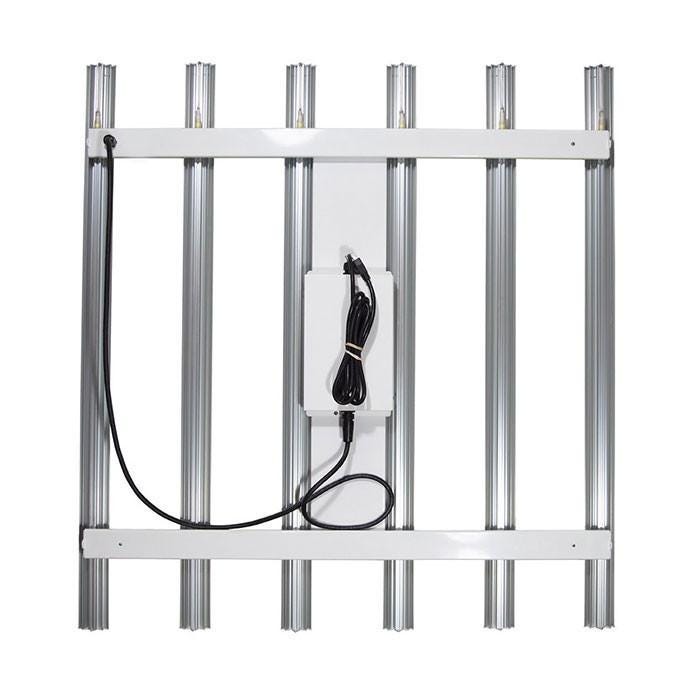
Features:
The Spectrum King LED grow light is a 660W grow light system with an efficiency equivalent to a 1000W LED. The grow light system is designed for vertical shelving solutions; you mount the lights 3 inches from the plants. Grow lights offer a 4X4 footprint. It offers 141.57 efficacy and a lumen output of 102,000 lumens. LED grow lights feel like plants are getting closer to the sun. The planting system is designed for a 3" tall vertical racking solution. The LED grow light system is the shortest and brightest LED grow light system on the market. The LEDs are rated at 50,000 hours to ensure long life. So don’t worry about spending unnecessarily on grow light fixtures.
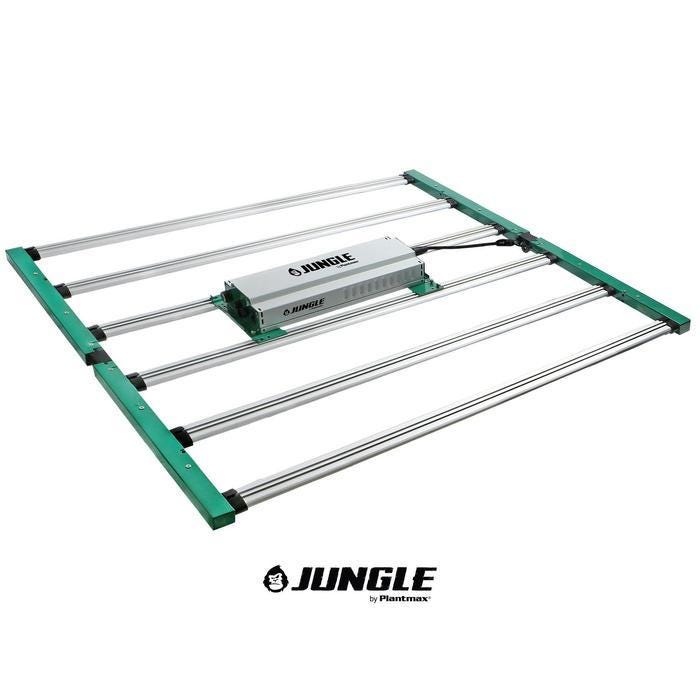
Features:
The Jungle LED grow light advanced LED system was designed to be efficient and easy-to-install right out of the box. With a variety of power cord length options, whether you are looking to mount the LED driver on the side of a rack or on the fixture The Jungle G6/630W comes with simple snap-lock connectors that make reconnecting cables quick and swift. The Jungle LED system retains an IP65 wet-location rating along with its corrosion resistance build will accommodate itself in your grow space with minimal limitations. The light intensity can be freely controlled and adjusted outside the planting tent without entering. Put it on hand, easy to operate. The driver outside the tent can reduce heat.
Why LED Grow Lights Are the Best Choice
To germinate and grow vegetable and flower seeds, special lighting is not required at all. While expensive grow lights will get your seedlings growing, they can be overkill. They cost unnecessary light bills, and the energy needed to power the lights.
Windowsills are not the answer to growing vegetable and flower seeds. Distant light creates fragile stems and slender, slender plants.
Easily costing $100 to $200 or more to purchase, grow lights and indoor plant growing systems can be an expensive investment. Especially when you realize that they can also use a lot of energy to run them!
How about simply planting seedlings in a sunny window? Unfortunately, it turns out that windows are not the best place for seedlings to grow either.
The sunlight filtered through the windows is too far away for the seedlings to grow. Sunlight works well in the garden because the seedlings can soak up the full spectrum of sunlight. All the way from east to west. But in a window, the seedlings can only absorb limited sunlight from the same direction.
The sill spectrum causes the seedlings to grow spindly and weak. They do this because they’re trying to reach for a distant light. That’s why if you’ve ever grown seedlings on a windowsill, you’ve ended up with long, skinny plants that are slender and badly bowed into the light.
Conclusion
If you are trying to grow plants indoors, LED grow lights are a good choice as they are energy efficient and provide a suitable light source for photosynthesis.
ECO Farm SP-400 Samsung Foldable Dimmable Full Spectrum LED Grow Light VS Spider Farmer® G4500 430W Full Spectrum LED Grow Light
Looking for the best grow lights? You have come to the right place! In this guide, we’ll take you through the top LED grow lights on the market and help you decide which one is right for you.
First, let’s look at the benefits of using grow lights. Grow lights provide an artificial light source designed specifically for plants. This means you can grow plants indoors even without natural sunlight.
LED Grow lights can also help optimize plant growth by providing the proper light spectrum for photosynthesis. They can also be used to extend the growing season, allowing you to grow plants that would not normally survive the local climate.
Now that you know the benefits of grow lights, let’s take a look at the top options on the market.
Why use LED lights?
There are many reasons to use LED lights.
Please bear with me as I walk you through some of them:
They are environmentally friendly — no environmentally harmful substances such as mercury are used in the production of LED lights
Efficient — they use up to 90% less energy than traditional lamps
Long life — they typically last 35,000 to 50,000 hours
Light Tailored to Your Plant’s Needs — LEDs emit a full spectrum of light. The wavelengths of light are often tailored to remove those wavelengths that plants don’t use (such as greens and yellows).
Faster growth — so your plants grow faster and healthier
ECO Farm SP-400 Samsung Foldable Dimmable Full Spectrum LED Grow Light
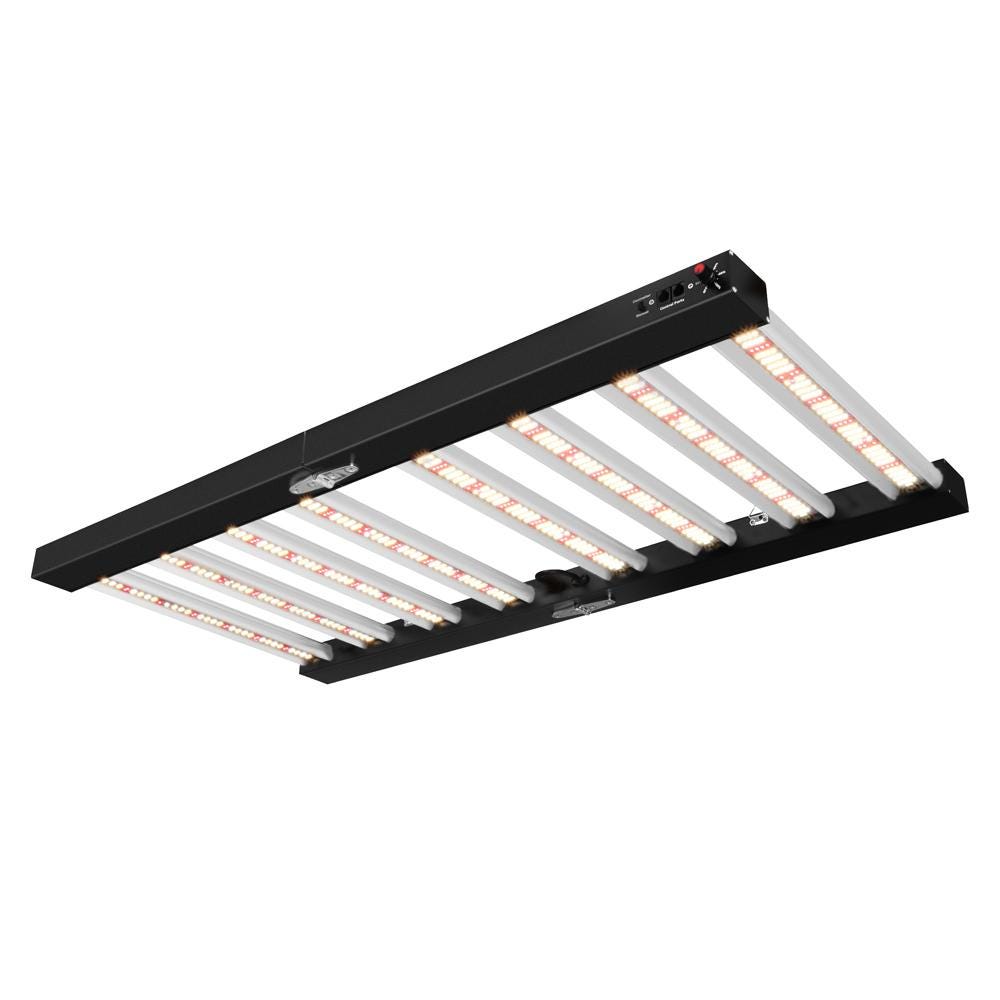
Features:
This ECO Farm LED grow light uses 1088pcs high efficient Samsung LM281B LEDs, full-spectrum sunlight with higher PAR. This LED grow light has a full spectrum consisting of LM281B leds(3000k+5000k) +RED 660nm+IR 730nm +UV 395nm, which is great for producing more flowers and healthier buds to achieve the absolute best harvest. The high efficiency with 2.8 umol/j while only consuming only 420watts. More uniform coverage. Perfect for covering a 7x4ft growing area in the Veg stage and 5x3ft for the flowering stage. The newly designed aluminium material quickly disperses heat without a noisy fan.
Spider Farmer® G4500 430W Full Spectrum LED Grow Light
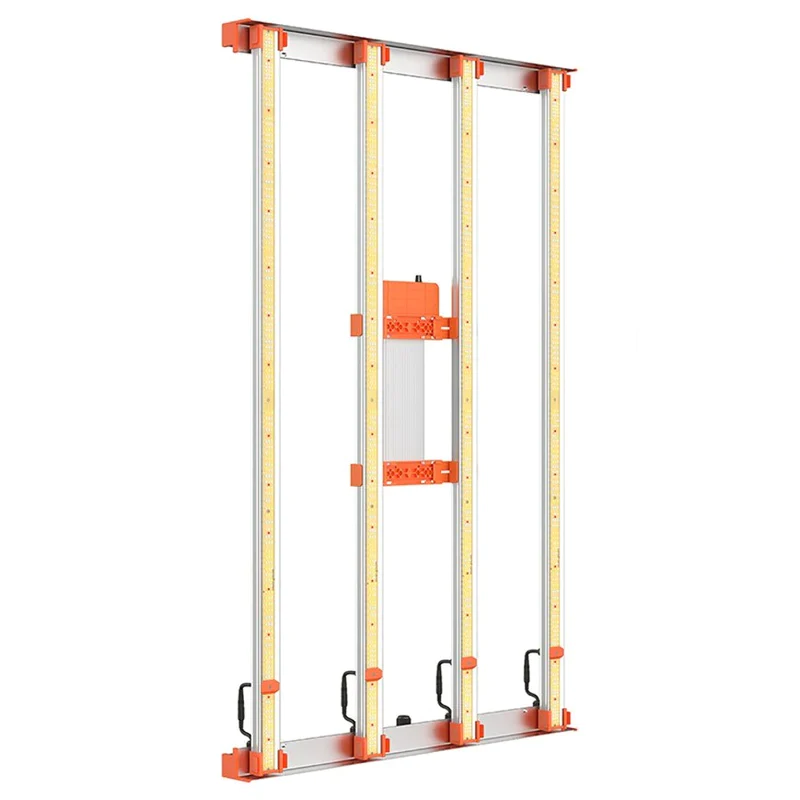
Features:
Spider Farmer LED grow light adopts a unique light bar design to provide more even and comprehensive canopy coverage, especially at the edge of the planting area. With 1484 Bridgelux diodes, the G4500 grow light is capable of delivering 430 watts of power to an impressive 2.8umol/J PPE, covering 4×2 feet of plant growth over a full cycle.
Buying LED Grow Lights: Things to Consider
There is no need to make buying grow lights a complicated process. By considering several factors, you can achieve the perfect lighting for your needs.
Let me show you how:
Consider the space you have available and where and how the light is suitable.
Also consider how much you plan to grow and the wattage of grow lights you’ll need to buy (you can use the grow space chart listed above to roughly work out how many wattage you’ll need).
Then you need to think about spectrum.
Think of it this way:
If you want your plants to grow from seedlings to flowering, you’ll need full-spectrum lights.
However, if your plants have already sprouted, you may only need the blue or red spectrum — to aid in growth and flowering, respectively.
You might also want to check the PAR output.
This is where things can get a little confusing.
PAR is one of the biggest factors affecting the yield of grow lights. It stands for photosynthetically active radiation.
simply put:
It is the amount of light produced available to plants, that is, the wavelength of light used for photosynthesis (ie, in the range of 400–700nm). Try to find lights with high PAR readings.
remember:
You may be leaving your grow lights on for extended periods of time, so you may want to consider how much energy it uses.
LED lights use less energy than traditional lights, but it’s always worth checking the energy consumption of the lights you’re considering buying.
In no time you’ll be making your plants grow like never before!
Conclusion
Indoor plants have their own charms. Whether you’re growing them for fun or commercially, grow lights will help you along the way.
Grow lights are needed to start seeds, plant growth and flowering. Fortunately, there is a wealth of literature on the subject, and you can find the grow lights that are right for you.
Still, now that you have the right knowledge, you can grow plants with confidence.
ECO Farm ECOD Samsung UV+ IR 640W Dimmable LED Grow Light VS Advance Spectrum 600W MAX LED Grow Light Bar
Getting yourself a vegetable garden is a great way to protect your family from food shortages. Talk to any vegetable grower or amateur gardener and they’ll tell you that the biggest challenge in growing a garden comes from managing the stages of seedling development.
Most novice gardeners fail at this stage, causing the stress on the plant to delay growth. If you want to start your vegetable garden like a pro, you need the best seedling grow lights. Grow lights mimic the sun’s rays in a specific spectrum, giving your seedlings the optimal spectrum they need to grow quickly.
With growing areas expected to change with the upcoming Great Solar Minimum, seedling grow lights can help you get an early start to the growing season. As a result, you harvest more each year, increasing your food reserves.
In this review, we take a look at the best seedling grow lights and recommend the top products for your indoor garden.
Why do my seedlings need grow lights?
Indoor grow lights for your plants mimic the sun’s rays to provide a source of light energy for your seedlings. Your seedlings can’t tell the difference between grow lights and sunlight because grow lights emit the same light waves.
So you can start the plants four to six weeks in advance, transplanting them into the garden when the ground thaws and spring begins. This strategy extends the growing season and increases harvests.
Indoor grow lights allow you to get an early start, and once spring hits, your plants should be ready to transplant.
ECO Farm ECOD Samsung UV+ IR 640W Dimmable LED Grow Light

Features:
This ECO Farm LED Grow Light has high energy efficiency up to 40% energy saving, and get 50% greater yield compared with the traditional HPS lights. High quality and 50000 hours long lifespan can mostly reduce your electricity bills or maintenance fees.The bar structure LED grow light provide you more even and full canopy coverage, make the light more concentrated, make the illumination is more uniform. The growth of plants requires an environment of red and blue wavelengths, use led grow lamps to boost productivity, Increase your yields & profits 50% without adding any additional energy costs. This grow light dissipates heat quickly and high performance, growing lamp with 6 passive-cooled bars, no-fan no noise design, give you a quiet cultivation environment and extend plant light lifespan.
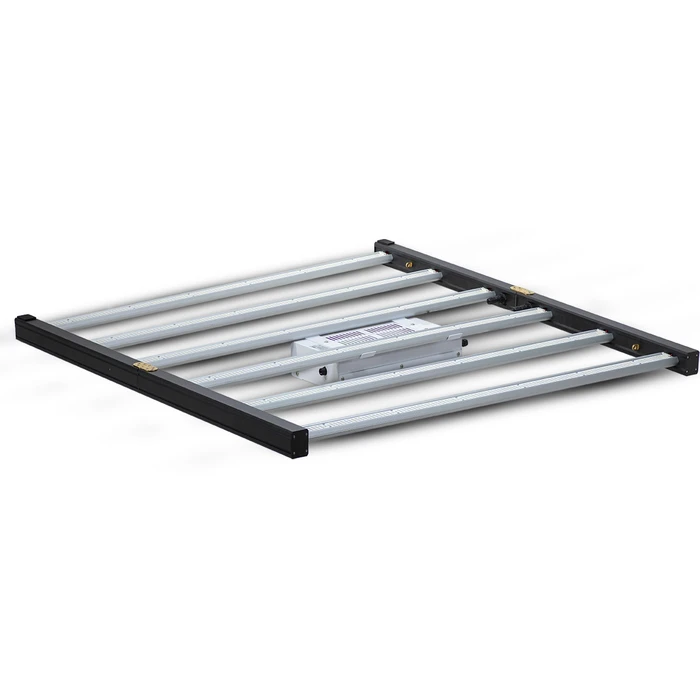
Advance Spectrum 600W MAX LED Grow Light Bar
Features:
The 600W grow light panel will support all your indoor and outdoor plantation requirements. The LED grow light is dimmable to adjust the lighting and heat intensity according to the requirement. With a single knob at the back of the grow light fixture, you can take control over the intensity of the panel and take control of the power output for seedlings, flowers, and veg. The LED has blue, red, orange, and red diodes that create optimal light conditions for achieving a healthy yield. The 600W LED grow light equals 1000W HID power. The LED is highly efficient and increases chlorophyll molecule absorption. With LED lights, you can save approximately 80 to 90% of energy consumption. The diodes heat up less, so you do not have to worry about your plants getting damaged. Also, with less energy consumption, you save on power. The LED is rated at 50,000 hours, which ensures a long lifespan.
Buyer’s Guide
It’s understandable that you might want to know a little bit more before investing in LED grow lights. There are a few important things to remember about LED grow lights, and we’ll discuss them here.
Type of light (spectrum) and color of light
Color spectrum is one of the most important considerations when purchasing a set of LED lights. If you can’t get the best and full-spectrum colors for your plants, they won’t grow well.
It’s important to make smart choices.
It is important to first understand what chromatography is. It is a graphic display of all the colors under the sun. Wavelength numbers are used to refer to colors rather than names, which many believe is more accurate. For example, the wavelength of red might be 630 or 660. Although we look the same, the two reds are different colors.
Plants use light for photosynthesis. For this reason, blue and red light are absorbed more, while green light is absorbed less.
Red lights are important for plant stem growth and leaf unfolding. They also regulate flowering, seed germination and dormancy.
Far-red light also supports lower foliage and reduces the time it takes plants to grow and flower. Plants exposed to this light have been found to develop larger leaves.
If used incorrectly, blue light can cause unhealthy plant growth and overexposure. This wavelength affects the chlorophyll content in the plant and the thickness of the leaves.
Greenlight provides support for lower positioned leaves.
Ultimately, the best color for your plants depends on the type of plants you have. For the most part, plants do best with all wavelengths of light, but not all wavelengths need to be in equal amounts. You should do more research influenced by the type of plants you want to grow.
Keep in mind that cheap LED grow lights may only have blue and red bulbs.
Lighting Area
Generally speaking, this will depend on the LED lights you purchase. You should be able to tell on the packaging what their best lighting area is.
Model
It is recommended that you purchase dimmable LED lights. This will ensure that you can adjust the light according to the needs of your plants. A great mode for LED lights is view mode. This allows you to switch to white light for a more natural view of your plants.
Design and Construction
LED grow lights use LED chips to generate the light needed for plant growth. You can find them in many sizes and shapes.
Manufacturers use technology to ensure that the diodes they use in their products emit the highest quality and correct wavelength. This will give the best results to the user.
Cheap manufacturers obviously cannot provide such quality LED grow lights. Cheaper LED grow lights will also decrease in intensity over time, so be sure to buy higher quality LED products rather than cheap ones.
Security Features
Even the best LED grow lights don’t work like regular lights, which emit a lot of heat. That means these guys won’t be hot enough to start a fire. This makes them safer than their counterparts.
Conclusion
By now, you should have had your eye on some expected model grow lights. Illumination is the basic element of plant growth and development, and choosing a suitable lighting system will have a major impact on the yield of plants during the harvest period.
Maxibright Daylight 480w PRO LED Grow Light VS BESTVA BAT W400 Dimmable LED Grow Light
There are many different types of lamps, such as LED, HPS, metal halide or fluorescent, each of which can be chosen based on its unique advantages. Recently, however, most growers have switched to LEDs due to technological advancements and energy savings. Today, we will introduce several good plant lights for you. Keep reading!
What Makes a Good Grow Light?
Well, the shortest answer is usually price. This isn’t always true, but in general, more expensive lights have better technology and better research, and often have a spectrum designed specifically for the plant you’re growing, in our case plants.
Researchers have been able to find out exactly what kind of light a certain plant is looking for and then design lighting that best suits those needs. It goes without saying that these types of grow lights greatly improve the way plants grow.
And, more and more budget options are getting better and better, combined with really good grow light technology, making them affordable for everyone.
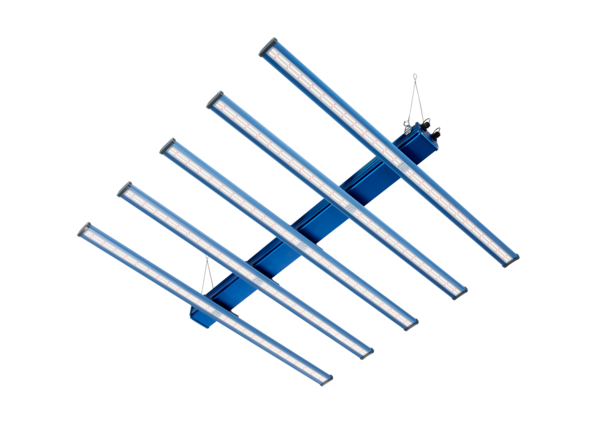
Maxibright Daylight 480w PRO LED Grow Light
Features:
The Maxibright grow light is suitable for growers looking for higher outputs and greater yields in a more compact and versatile unit. This fixture boldly bridges the gap between the higher and lower powered units in the range, meaning they’re adaptable to a wide range of applications such as propagation, multi-layer gardening and grow tents/rooms. The ability to dim the fixture from 25% up to 100% power, means you can use it from the early stages of growth right through to flowering. The DAYLIGHT 480W LED PRO boasts a full spectrum of light with a fixture efficiency of 2.7 μmol/J and a total output of 1296 μmol/s. This is all made possible by 5 bars of high-quality Osram and LUMLED LED chips, covering a 1.2m x 1.2m area perfectly, with outstandingly uniform light coverage.
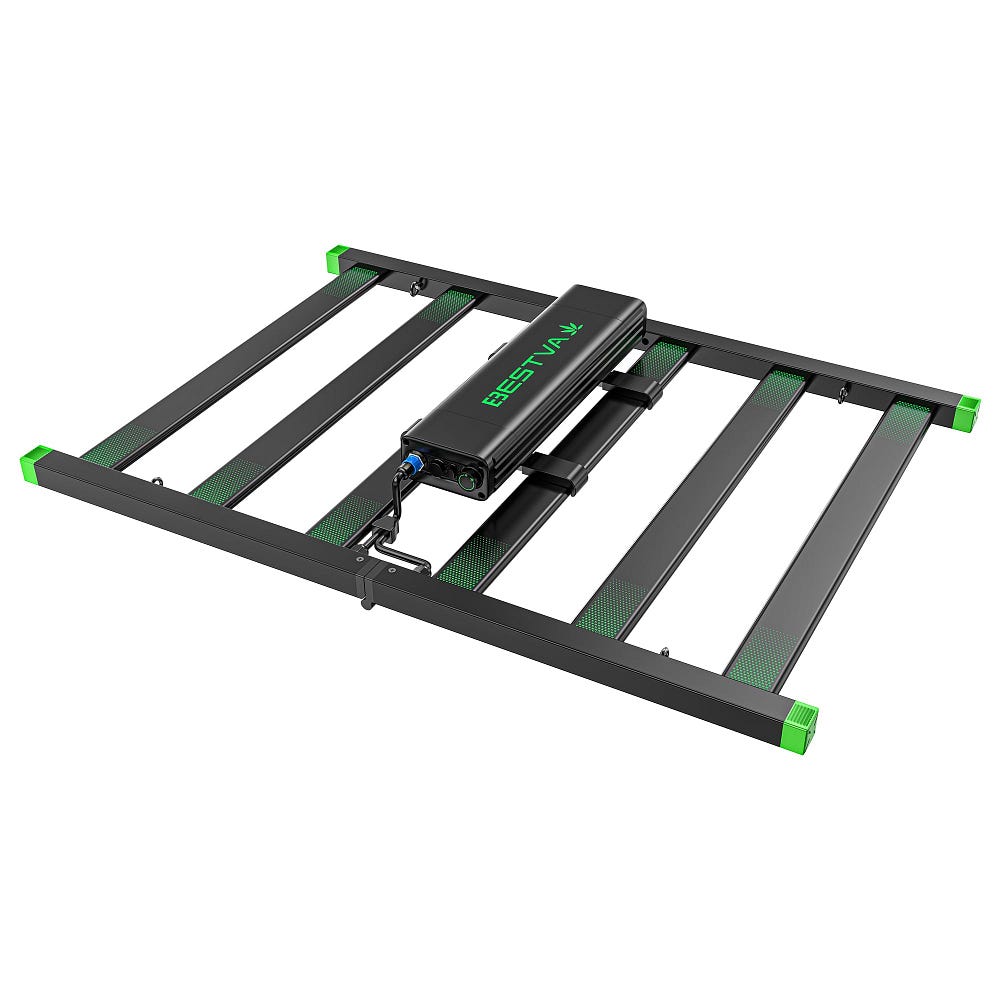
BESTVA BAT W400 Dimmable LED Grow Light
Features:
The BESTVA LED grow light is the solution for indoor growing environments where ceiling height and distance from the tree canopy are critical. The BAT W400 is ideal for use in vertical racks, low rooms, benches and even tents. The grow light provides an efficient full spectrum and a healthy red-blue ratio to drive photo composition. Light energy between 500–599nm, previously thought to be wasted, penetrates deep into the plant canopy and promotes photomorphogenic responses. High colour rendering “white” light helps quickly identify potential threats to crops and provides superior working conditions and safety for workers. It is great for flowering and plant production.
How to choose the right LED light
Light Intensity and Spectrum
When choosing LED lights for your hydroponic grow tent, the first thing to consider is the intensity and spectrum of the light. Different types of plants have different light intensity and spectral requirements, so it’s important to choose a light that’s right for the plants you plan to grow.
In general, plants that are in the vegetative stage (i.e. not yet flowering) require a spectrum rich in blue light. Blue light has a wavelength of approximately 400–500 nm and is important for promoting healthy leaf and stem growth. Plants in flowering stage, on the other hand, require a spectrum rich in red light. Red light has a wavelength around 600–700 nm and is important for promoting flower and fruit production.
It’s important to note that different LED lights have different spectrums and intensities, so it’s important to choose a light that’s right for the plants you plan to grow. You can learn more about the spectral requirements of different plants by doing online research or by consulting a gardening professional.
Coverage Area
Another important factor to consider when selecting LED lights for a hydroponic grow tent is the area of coverage. You’ll want to choose lights that are powerful enough to cover your entire grow tent, making sure all your plants get enough light.
To determine the area covered by your LED lights, you need to know the area in square feet of your grow tent. Most LED lights specify their coverage area in square feet, so you can easily compare different lights to see which one is best for your grow tent.
It’s also a good idea to consider the height of your grow tent when choosing LED lights. If your grow tent is taller than average, you will need to choose a light that is powerful enough to reach the top of the tent.
Heat Output
Heat can be a major problem with hydroponic grow tents, as it can lead to overheating and poor plant growth. When choosing LED lights for your grow tent, it is important to consider the heat output of the lights.
LED lights produce very little heat compared to other types of grow lights such as HPS (High Pressure Sodium) lights. However, some LED lights do generate more heat than others, so it’s important to choose lights with low heat output to ensure your plants stay healthy and happy.
Energy Consumption
LED lights are known for their energy efficiency, but it’s still important to consider the power consumption of the lights you choose. Lamps with higher power consumption will be more expensive to run, which will increase over time.
When comparing different LED lights, be sure to look at the power consumption rating (usually measured in watts) to get an idea of how much the light will cost to run. You can also look for lights that are energy efficient.
Conclusion
Using the best indoor LED grow lights can help your green plants thrive in any season and in any sun.
Providing your plants with the right amount of light is important for photosynthesis, healthy growth, flowering, fruiting, germination and more!
Spectrum King Phoenix 680W LED Grow Light VS Cultilux 700W LED Grow Light
Indoor gardening is slowly gaining popularity, and so is the equipment needed for it. Previously, you could only grow plants and fruit in your background that suited your surroundings. But now, technological advances have brought a lot of devices that can help you grow all kinds of plants even if you don’t have enough light around you.
What size LED grow lights do I need for my plants?
The correct size LED grow light for your plant is one that provides at least 600–900 PPFD of light for flowering plants. Vegetables can use light at 300–600 PPFD, and clones and seedlings thrive around 150–300 PPFD.
So how do you know which lights to go with?
First, keep in mind that an LED lights up a lot of diodes at once, and the more diodes there are, or the stronger those diodes are, the stronger the output. So by adding stronger diodes and more diodes to the panel, you can get a higher intensity that emits the same amount of energy as a single bulb — whether double ended or standard.
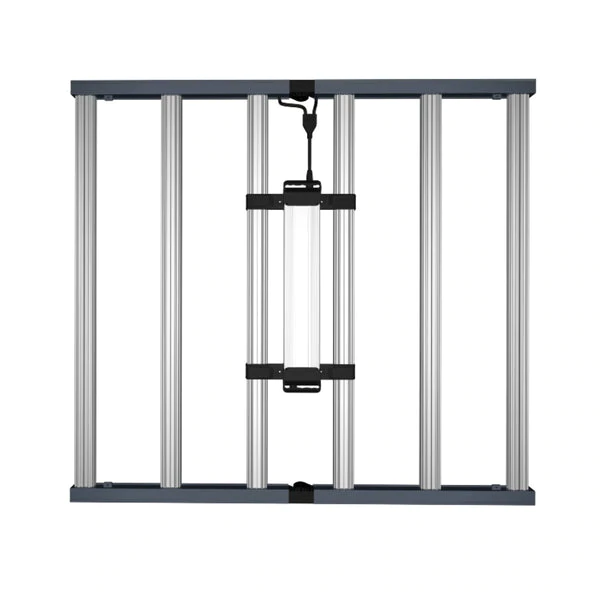
Spectrum King Phoenix 680W LED Grow Light
Features:
The Spectrum King LED grow light is the new LED standard for a 1:1 1000W DE HPS replacement that consumes 36% less power while offering the highest reliability in the industry. SK Cryo-Therm cooling technology enables an ultra-thin profile that maximizes airflow and minimizes microclimates. This grow light is optimized for single or multi-level planting close to the canopy. Many growers are switching from heat-generating HPS lights to ultra-high performance LED strip lights. SonoFarm LED grow lights utilize the latest technologies on the market — from intensive research for optimum performance, to customising the spectrum for the highest possible yield.
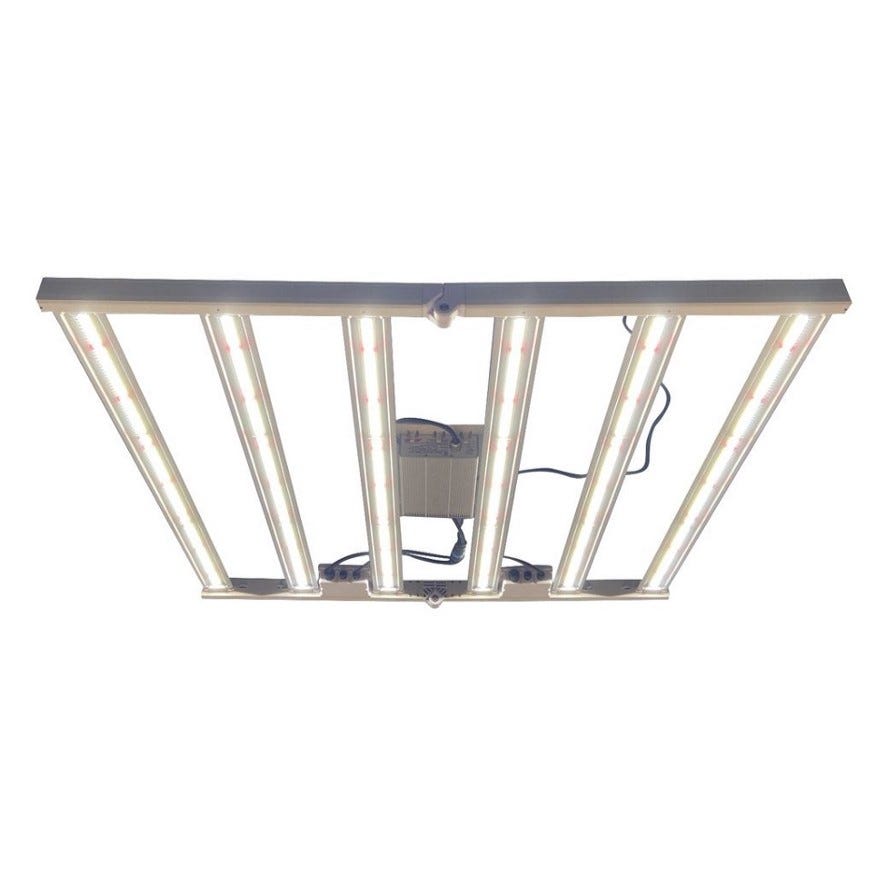
Features:
The Cultilux 700W LED grow light consumes 700 watts of real power, the total photosynthetic photon flux (PPF) output is 1820 μmol/s, and the efficiency is 2.6 μmol/J. It has reliable, high-performance light sources, including Samsung 3000K and 5000K white LEDs and Osram red and deep red LEDs. The portable 1–10V DC dimmable driver can be used with popular controllers. Designed for all stages of plant growth, Cultilux 700 provides 700 watts of power for your indoor grow space. Cultilux 700 is used in conjunction with other drivers to make this plant grow light easier to integrate with your existing plant grow light system. There is no need to worry about durability because the Cultilux 700’s aluminium and glass lens housing has an IP65 degree of protection. It has also passed UL 1598 and CE certification, making this grow light meet strict benchmarks.
Buying Guide For LED Grow Light
The Intensity of LED Lights
As we mentioned earlier, the intensity of light produced by the LED lights is one of the most crucial factors and directly affects the quality of plants growing in the light. As different types of plants have varying photon requirements, you need to select the correct intensity of light over the plants. For best results, you should choose a high capacity LED grow light that can be dimmed as per requirement.
LED Light Spectrum
The spectrum of LED lights refers to the different wavelengths of light produced by the LED. Different spectrums of light must be fed to the plants in different growing stages. In case you want to use the same LED grow light for different types of growth stages, you should go with a full-spectrum option. Otherwise, you can select between single spectrum panels suitable for the single application.
Coverage Area
The coverage area of LED panels represents the area that can be illuminated by the panel at once. To put in simpler words, the area of the plantation unit must be equal to or smaller than the coverage area of the LED grow light for optimum results. If a part of your plantation platform is outside the illuminated area, it will cause non-uniform growth of the plant that will also affect the whole plant. You can also install certain lenses to increase or decrease the coverage area of your LED grow light.
Warranty
Lastly, we will recommend you to take a closer look at the warranty period allotted by the brand for the given LED grow lights. The LED lights can fail at any time on the panel and you cannot simply replace a single LED from the section. As buying a heavy-duty LED grow light is quite expensive, you should always opt-in for a longer warranty period. Thus, you will get full assurance from the manufacturer about the durability of the panel as well as LED lights.
Conclusion
Every gardener, grower, herb lover, and plant fanatic can use LED grow lights. Whether you’re looking for an elegant addition to your home, or a high-powered solution for your greenhouse project, there’s an LED to suit your taste, your efficiency needs, and of course, your budget. All of the LEDs on this list are energy efficient and don’t have to break the bank to grow the healthiest houseplants year-round!
Gavita Pro RS 2400e 800W LED Grow Light VS Kind LED X750 Grow Light
Welcome to our blog post about the best LED grow lights on the market! Indoor gardening and hydroponics have grown in popularity in recent years, and LED grow lights are an essential part of any indoor growing operation. In this article, we’ll take a closer look at some of the top and most efficient LED grow lights on the market.
What are the advantages of LED lights?
Some advantages of using LED lights:
Long lifespan
Low heat output
Low energy
The light spectrum is better.
You can plug the light into any regular standard electrical outlet.
Let’s go through them in detail.
Long lifespan
Almost all LED lights have a long lifespan.
They are guaranteed up to 50,000 hours, which means they will last for a very long time.
Some LED lights can last about 70,000+ hours.
You don’t have to buy them frequently for your plants.
Low heat output
The best thing about these lights is that they don’t get heated up or burn hot easily.
These lights are very cool to use, and you don’t even have to switch on air conditioners to maintain the room’s coolness.
As a result, the energy costs will be low.
Since the lights are cool, you can keep them closer to your plants.
It won’t burn the plants and encourage them to grow faster than normal.
Low energy usage
LED lights are highly energy-efficient.
Whether you have numerous plants in one corner or a full room filled with plants, there will be no increase in your electricity bills.
So, you can use adequate lights according to the number of plants you own.
You may run the lights for 24 hours.
Higher light spectrum
The plants will require a higher light spectrum to develop well at every stage.
So, they will need sufficient red and a few blue lights for roots, leaves, and flowering.
Green lights are not so important, but a little can help photosynthesis.
Gavita Pro RS 2400e 800W LED Grow Light
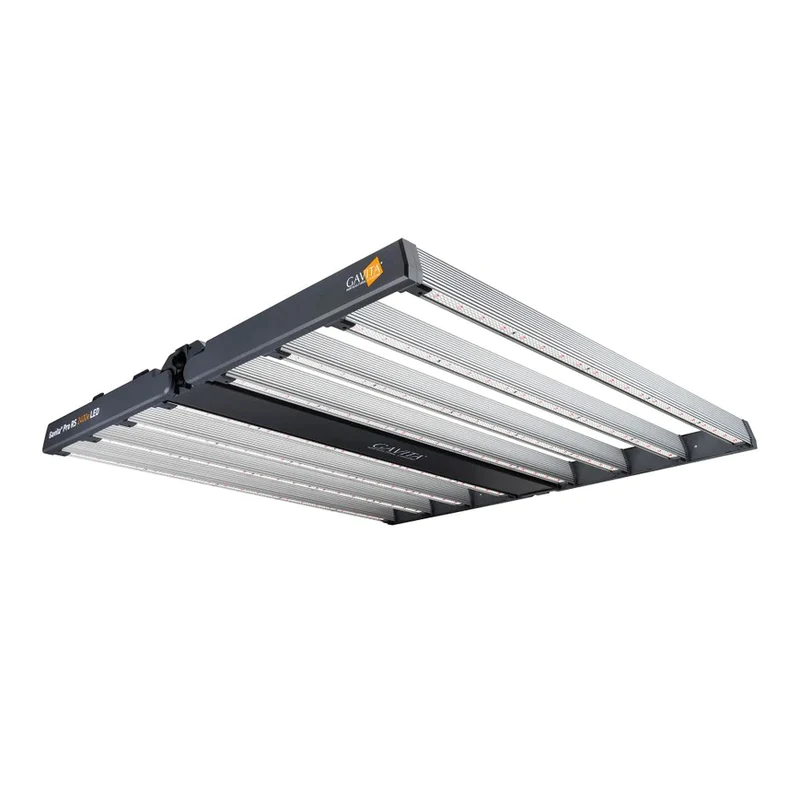
Features:
Gavita LED grow lights produce 2400 μmol/s at an impressive 3.0 μmol/J efficiency and provide a broad spectrum of white light and enhanced blue light to help enhance flavor and aroma. This powerful full-spectrum light source is designed for all aspects of plant growth — from the vegetative stage to the end of flowering and when higher light levels are required. Using the Gavita Master EL3 controller, the luminaire can be dimmed by up to 10% without any loss of efficiency. The RS 2400e is built with high quality components including Gavita drivers and custom Gavita branded diodes to deliver the performance and longevity you’ve come to expect from a trusted brand.
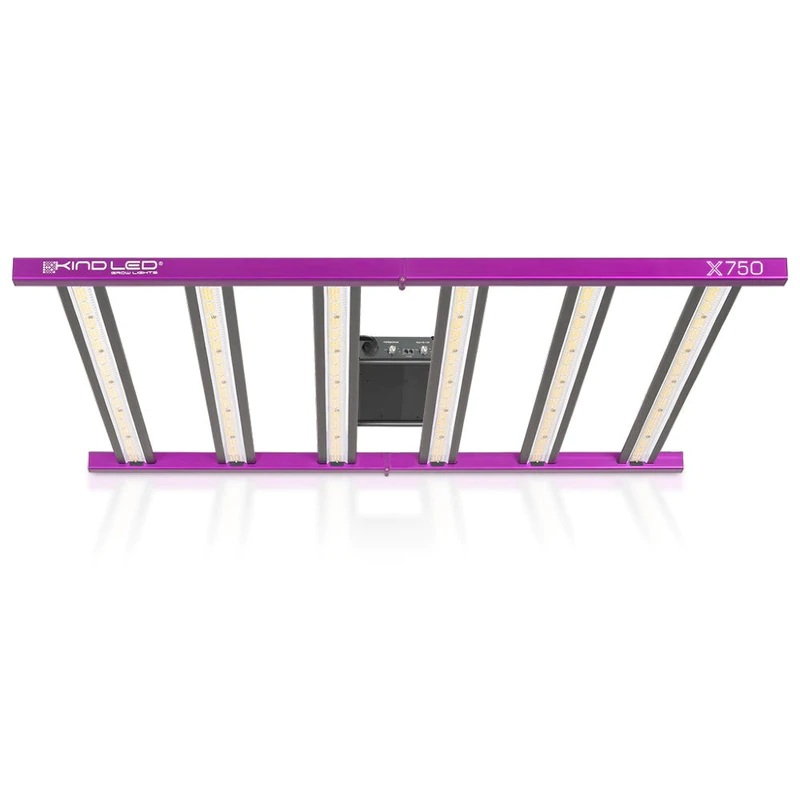
Features:
Kind LED grow light uses top-of-the-line Osram and Phillips diodes to produce targeted full-spectrum light as well as UV and IR to enhance your plants during flowering. The KIND X750 uses the full spectrum white LED diodes used by top LED companies. Kind’s Targeted Full Spectrum is designed for plants to maximize harvest weight and plant quality. Our spectrum is the result of hundreds of thousands of hours of field testing in the Northern California medicinal plant industry. With 750 watts of power and a 4' x 4' footprint, the X750 is powerful enough for commercial growers while still being compact enough for single planting.
What to know before you buy a LED grow light
Type of plant
If you’re considering purchasing an LED grow light, chances are you have a needy plant on your hands. Indoor gardening and plant keeping can be a challenge without the right lighting. Some LED grow lights will offer an array of settings that will let you use them with any plant, regardless of whether or not they need low-light or full-light.
LED grow light type
LED grow lights are unique in that they take no time to fully illuminate and work quite differently than normal light bulbs. Because of this, there are a variety of light spectrums that LED grow lights can produce, and each has a special effect on plants.
For example, blue-spectrum light is great for promoting plant growth, whereas red-spectrum light is ideal for flowering plants.
Full-spectrum LED grow lights
Full-spectrum LED grow lights are relatively new and are the LED grow light that is most similar to natural sunlight. Full-spectrum LED grow lights can support a plant at every stage of its natural life cycle.
Size of your space
When considering which LED grow light is best for you, one of the most important things to consider is the size of your space. Most LED grow lights are designed to hang from the ceiling and shine down onto your plants. If you’re working with limited space, say in a bedroom, try LED grow lights that can clip onto a table, desk or shelf.
Conclusion
We hope our buyers guide was helpful to you in finding the best LED grow lights for your indoor plants.
Also, we are sure you will find the best one for you, which will give you a perfect and beautiful indoor garden.
ECO Farm ECOZ 510W Samsung 301H Chips LED Grow Light VS Spectrum King 600W LED LowPro Flower
Growing plants indoors isn’t the hardest job. However, it’s not the easiest either. That said, you have to pay close attention to how much sun exposure you get, how much water your plants absorb, and how much soil is fertilized, among other things. While fertilization and watering can be supervised, lugging a giant potted plant to soak up the sun isn’t a viable solution. That’s where LED grow lights for houseplants come in.
These LED grow lights stimulate photosynthesis in indoor plants, helping them grow year-round, especially in dimly lit rooms with little to no sunlight or in areas with year-round snow. Since these are LED lights, you also won’t have to worry about skyrocketing utility bills. They’re also easy to install, which is great.
So now that we’ve piqued your interest, let’s take a look at some of the best LED lights for growing indoor plants.
When Should You Use LED Grow Lights?
1. Grow crops that require strong broad-spectrum UV rays
Plants that grow tall and form dense bushes need penetrating light to reach the bush to maximize yields. It is also important to have grow lights that are adapted to the flowering stage of the crop. Peppers, for example, thrive in light rich in red wavelengths. Tomato plants produce large fruit when exposed to red and blue wavelengths.
2. Setting up the growing chamber
High-intensity discharge bulbs consume 70% more energy than diodes. A 200 watt LED produces a similar number of lumens as a 600 watt high pressure sodium bulb. Their inability to produce different wavelengths of light limits yield, making them an expensive option for lighting large areas.
ECO Farm ECOZ 510W Samsung 301H Chips LED Grow Light With Separately UV+IR Control
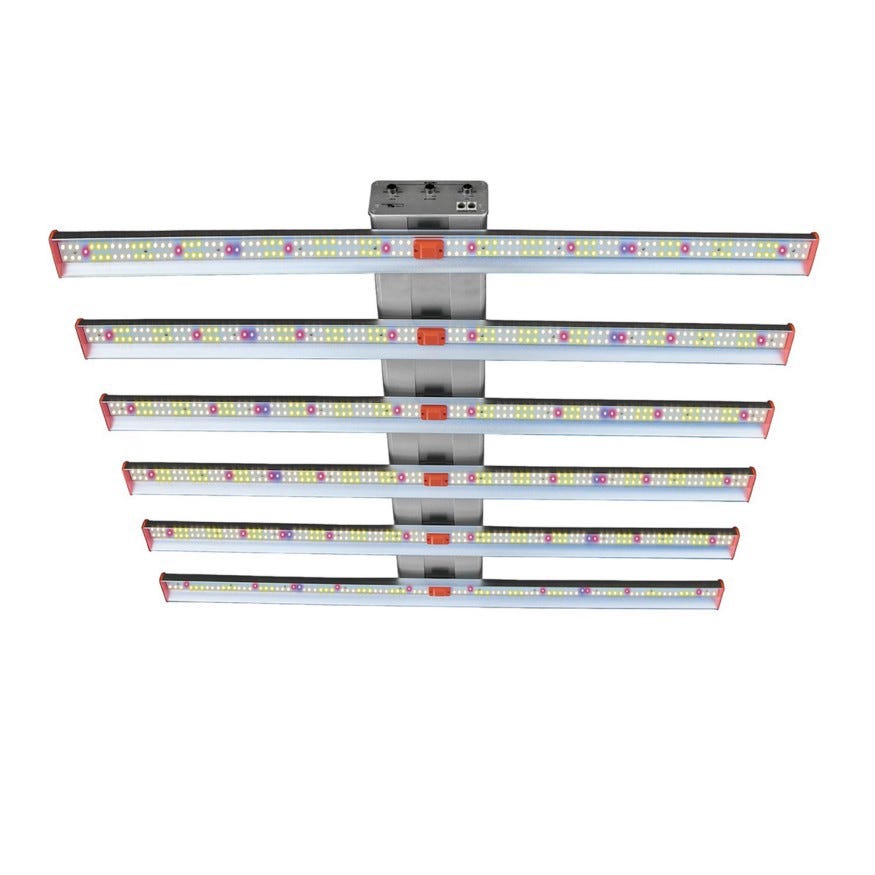
Features:
The ECO Farm grow light is Built with the best parts, Top Bing Samsung LM301H & Osam Chip and brand driver for higher efficacy and longer lifespan; to ensure high-efficiency PPE 2.75umol/J, better heat dissipation, and long service life. Compared with old plant lights, the average PPFD is increased by 30%, and the yield and quality are increased by 50%. With 6 LED growth lights, each rod is covered with high-grade glue, waterproof, and easy to clean, not easy to be filled with dust. This plant growth light also uses a special dimmer, which can precisely adjust the brightness. 0–10 levels are optional. This means that you can see clear brightness levels and record while adjusting. No need to worry about differences. Full-Cycle Sunlike Spectrum, close to natural sunlight. The spectrum applies to the entire stage of indoor planting.
Spectrum King 600W LED LowPro Flower
Features:
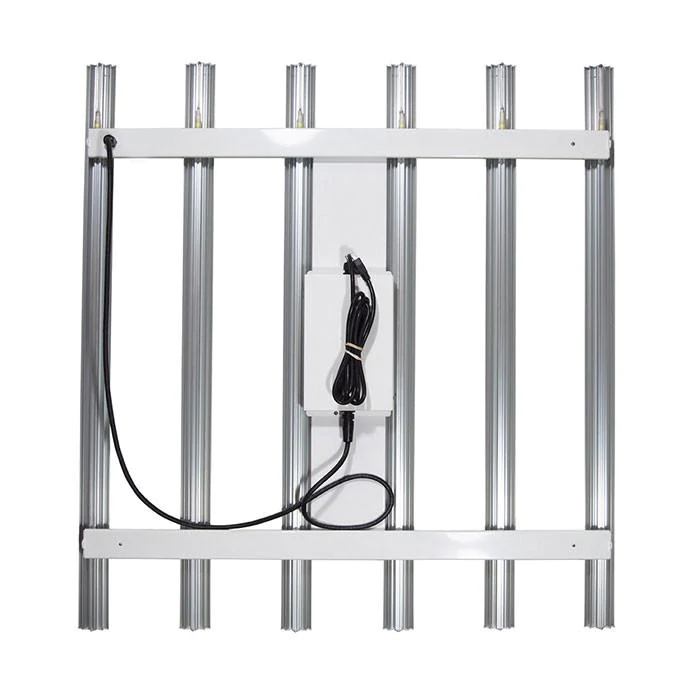
The Spectrum King LED grow light is a 660W grow light system with an efficiency equivalent to a 1000W LED. The grow light system is designed for vertical shelving solutions; you mount the lights 3 inches from the plants. Grow lights offer a 4X4 footprint. It offers 141.57 efficacy and a lumen output of 102,000 lumens. LED grow lights feel like plants are getting closer to the sun. The planting system is designed for a 3" tall vertical racking solution. The LED grow light system is the shortest and brightest LED grow light system on the market. The LEDs are rated at 50,000 hours to ensure long life. So don’t worry about spending unnecessarily on grow light fixtures.
What to Look for When Choosing LED Lights for Plants
Durability — Obviously you want your LED grow light panels to be well constructed and sturdy. You want to make sure they are made of the best materials and that the wiring will last over time. Incorrect wiring can generate excess heat, which is not only harmful to your plants, but can also be a fire hazard. This is another great reason to buy the best quality grow lights you can afford.
Cooling System — LED lights are cooler than HID and HPS lights. However, they should still contain a high-quality cooling system. A heat sink within the system should dissipate the heat generated by the lights and move it away from the lighting system and plants.
Color Spectrum — Plants primarily use red and blue spectrum light to complete their growth stages. While HID and HPS systems use full spectrum light to target plant growth, a good LED system will include red and blue light for the perfect blend to help your plants grow. Some growers say that white LED grow lights are the closest to natural sunlight, so the effect is better. However, white LEDs contain yellow and green light that plants cannot use, so it is wasted, reducing the efficiency of the grow light.
PAR — PAR stands for Photosynthetically Active Radiation. In simple terms, this is the emitted light that plants can actually use. While many manufacturers provide details on lumen output (light visible to humans), for grow lights it is even more important to know the PAR output. If your plant doesn’t use it, it’s wasting energy. Manufacturers’ PAR data can be misleading because the value often varies from the center to the edge of the light. Plants down the middle of the light will get the full PAR value, while plants on the edges may get less light. Higher PAR is not necessarily better. In fact, the best LED grow lights will have a lower PAR value because the power will not be concentrated in the center but distributed evenly.
Wattage — When you look at the wattage associated with an LED grow light, it is usually the same equivalent wattage you would need to get the same results in a HID or HPS light. So, an LED grow light listed as 400W can replace a 400W HID or HPS light, but the actual wattage of the LED will be much less. This is how LED grow lights are more energy efficient. First-time buyers often assume that the more wattage a grow light offers, the better. But bigger isn’t always better. As a rule of thumb, you need 32 watts per square foot of growing space for flowering and light-loving plants. Low-light plants like lettuce and herbs only need about 11–18 watts per square foot.
Programmability — If you’re serious about growing, you’ll want to automate as many processes as possible, not just to reduce your workload, but more importantly, to reduce the possibility of human error. The best grow lights on the market offer a full range of programmability, including setting light schedules, changing intensity, and customizing the light spectrum to best suit individual plants.
Conclusion
Hopefully, the information presented above will help you choose the best grow lights for your situation. After all, lighting is critical to growth and flowering, as well as harvest yield. Taking the time to find the right equipment ensures you choose the best fit for your own unique growing setup.
BESTVA BAT W400 Dimmable LED Grow Light VS Spider Farmer SE5000 480W Full Spectrum LED Grow Light
If you want to grow plants but don’t have a yard, LED grow lights can be your lifesaver.
They give you the option to grow them indoors and you will be amazed at how fast the plants can grow with the right grow lights.
For a better idea, check out our best LED grow lights of 2023.
Advantages of LED Lighting for Growing Plants
LED lights are the best solution for indoor cultivation, so let’s list their advantages:
Energy saving. These bulbs use less energy than other bulbs, saving up to 50–70%. Their strength does not fade over time. They’re not cheap, but the investment is worth it as your savings will make up for the higher initial cost.
Durable. LEDs don’t need to be replaced often and last up to 3–4 years. They are capable of glowing continuously for approximately 50,000 hours.
safe. These bulbs are free of mercury and other chemicals that may be dangerous to your plants or home. They are recyclable, which means they are also environmentally friendly.
Low/no heat emissions. LED lights generate little to no heat, won’t dry out or burn plant leaves, and reduce the need for fans and other cooling equipment to maintain optimal temperatures. They produce less UV light, which can be harmful and stressful to plants. Therefore, you can move the plants closer to the source of light. Higher light intensities will give you higher yields.
Easy to install and use. Unlike traditional lights, LEDs require no reflectors, ballasts or fixtures. They are easy to install and have no maintenance issues. Plug and play!
Small and light. They’re especially handy for gardeners with small grow tents.
Reduce the frequency of watering and feeding. With less heat generated, the soil in the pot will stay moist longer, reducing the amount of watering and feeding you need to do.
Faster harvest cycle. This type of lighting can be used 24 hours a day, shortening the season and increasing the rate of plant growth. As a result, growers can find seeds for sale with top-tier genetics and achieve multiple harvests each season.
These advantages make LEDs stand out from other types of grow lights, making them indispensable in the process of growing plants to grow the best plants from the best seeds.
BESTVA BAT W400 Dimmable LED Grow Light
Features:
The BESTVA LED grow light is the solution for indoor growing environments where ceiling height and distance from the tree canopy are critical. The BAT W400 is ideal for use in vertical racks, low rooms, benches and even tents. The grow light provides an efficient full spectrum and a healthy red-blue ratio to drive photo composition. Light energy between 500–599nm, previously thought to be wasted, penetrates deep into the plant canopy and promotes photomorphogenic responses. High colour rendering “white” light helps quickly identify potential threats to crops and provides superior working conditions and safety for workers. It is great for flowering and plant production.
Spider Farmer SE5000 480W Full Spectrum LED Grow Light
Features:
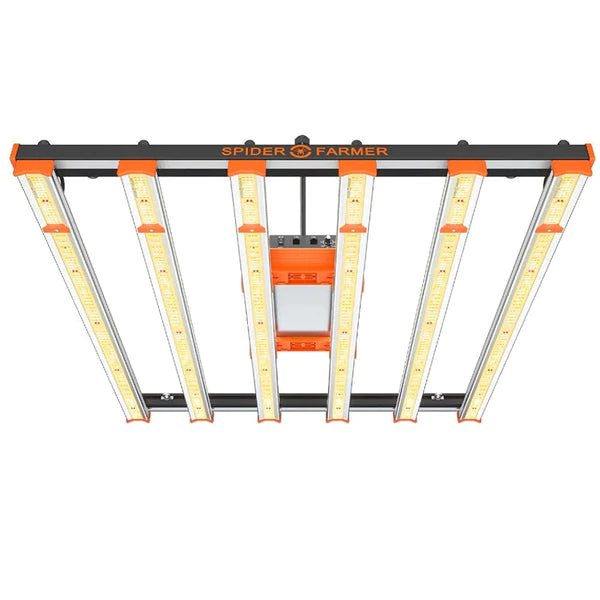
This Spider Farmer LED grow light features a uniquely designed 6 extended LED strips that provide more even canopy coverage, especially on the outer edges of the growing area. With 1680 SAMSUNG LM301B diodes, the SE5000 Led Grow Light consumes 480 watts at 1333 umol/s, achieving an impressive PPE of 2.75 umol/J, covering a high yield full-cycle growth of 4'x4'. The full spectrum (380–410nm, 660–665nm, 730nm, 3200–4200K, 4800–5000K) is ideal for vegetable flowering to suit every stage of the plant cycle. The dimmer knob is ideal for growers to adjust the light intensity for different growth stages. The daisy chain feature allows you to connect up to 30 spider farm grow lights — dimming multiple lights at the same time.
How to Choose LED Grow Lights
By now, you probably have a good idea of what you need to buy. Most people choose LED grow lights because of their incredible features and benefits.
When choosing LED grow lights for your indoor growing area, there are a few things you need to consider. We’re going to list these important factors to help you choose the best LED grow lights.
Available PPF and PPFD
In your LED grow lights, the most important thing is PPF or PPFD. These metrics define the intensity of the output light.
PPF stands for photosynthetic photon flux and PPFD stands for photosynthetic photon flux density. They both show the luminous flux or amount the output light has. However, PPF shows the total flux from the fixture whereas PPFD shows the flux for a specific area/surface. Having said that, the unit of PPF is µmol/s and the unit of PPFD is µmol/m2/s.
First, you need to know the PPFD required for the plants you are growing. At different stages, plants require different PPFDs.
If you consider HPS vs LED production, LED lights are better in every way. They deliver the best yield quickly.
Once you know what your plants need, you can check the PPFD of LED lights and decide which one is right for you. PPFD values are usually mentioned in specifications.
Another important thing related to PPFD is uniformity. A luminaire shall provide a uniform PPFD throughout the area it covers. Otherwise, variations in uneven growth will occur.
Plants receiving more PPFD will grow more and are also at risk of minor burns. Conversely, plants that do not get enough PPFD will suffer and fail to grow properly.
Therefore, the uniformity of PPFD is also important. Lighting should be designed so that it provides uniform light throughout the area it covers.
Spectrum
Spectrum is the next big factor. Plants require different ranges of radiation throughout their lifetime. Sunlight provides the full spectrum, including visible radiation, ultraviolet and infrared. It enables plants to grow quickly and optimally.
When choosing an LED grow light, you want to make sure it also provides the full spectrum your plants need. Some LED lights also offer different types of light spectrum for different growth stages. For example, Smart-8 provides full spectrum flowering and full spectrum vegetation. It ensures fast and optimal growth at every stage.
Coverage Area
LED grow lights work in a limited area that is usually mentioned in the specifications. At a certain height, it can cover a certain surface area. The distribution of light is affected by light. If you increase the height, the area will get fewer photos. The closer the plants are to the light, the stronger the effect of the light.
Therefore, it is necessary to know the area that the light can cover. That way, if you need to light a large area, you can easily decide how much light you need.
Extra Features
In addition to the above three important factors, the extra functionality is also a big plus. Such as brightness control, LED panel, daisy chain, timer, plug and play function, etc., these are features that HPS lamps do not have, which is why LED is the winner of HPS vs. LED debate.
We have explained some key factors to consider. In addition to these, you’ll want to look at the company’s reputation, products, life expectancy of the lights, warranty, and other services.
Conclusion
Getting your interior plans to flow can be challenging without optimal lighting, especially when sunlight is scarce.
So make the most of your lighting by using sunlight, and compensate with artificial lighting where possible.
However, before purchasing grow lights, pay attention to the light requirements, intensity, duration, distance, and spectrum of your houseplants.
ECO Farm MB3 Pro 760W LM301B LED Grow Light VS Mammoth Lighting Fold Series MF08 LED Grow Light
Is it possible to get the best LED grow lights online that will perform well enough to support your garden through the winter? The answer to this question is yes! You don’t have to be rich to enjoy the benefits of grow lights. There are a variety of grow lights to choose from. Options you can take advantage of at very friendly prices. Depending on the type of garden you have and the plants you want to grow, you can get the grow lights you need without breaking your pocket.
How Commercial Grow Lights Work
LED garden light fixtures represent a giant leap forward in the evolution of commercial grow lights. Growing plants with LED lights is easier than using traditional high pressure sodium lights because LEDs provide the full spectrum of visible light rather than a limited number of wavelengths. Here’s a quick primer on how plant grow bulbs work:
Plants need sunlight, water and air to thrive. In indoor environments, temperature fluctuations and water supply issues can affect plant growth — but poor-quality lighting can kill. The best commercial grow light options offer a careful combination of red, blue, and green light wavelengths in one easy-to-control system. In response to all three grow light colors, plants tend to grow taller, denser, and faster for a healthier bottom line.
ECO Farm MB3 Pro 760W LM301B LED Grow Light
Features:
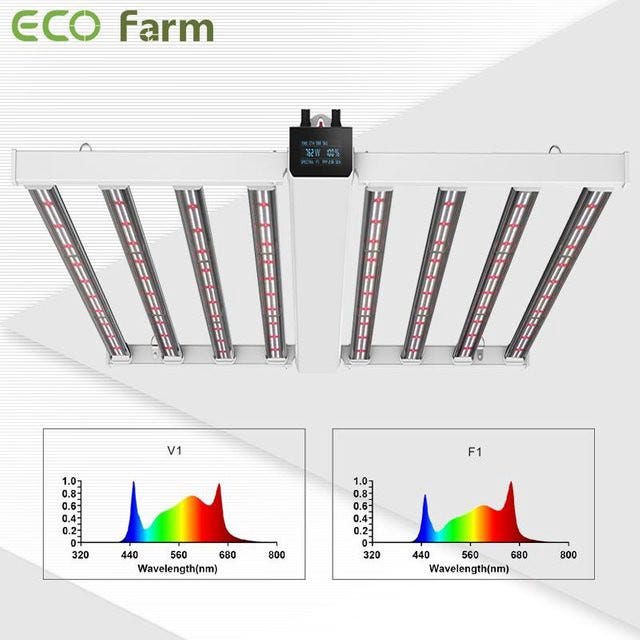
High efficiency + high yield ECO Farm LED grow light is equipped with tWith 2880 pcs SAMSUNG LM301B diodes+80 Osram 660nm, with high PAR/PPF efficiency up to 2.8 umol/J and powerful output, enabling you to Obtain higher output. Only consumes 760W. The ultra-thin and unique 180° foldable design grow light is easy to stretch or fold. It is very suitable for large-area planting and commercial planting. The perfect coverage area is 4*6 feet. Both sides can be folded freely from 0° to 180°, easy to install, save space, and easy to carry, no need to worry about hurting hands and lights. The dimming knob is ideal for growers to adjust the light intensity according to different growing stages., which provides the needs of each stage of the plant, allows the plant to obtain the perfect growth effect flexibly, increase the yield, and save energy costs at the same time.
Mammoth Lighting Fold Series MF08 LED Grow Light
Features:
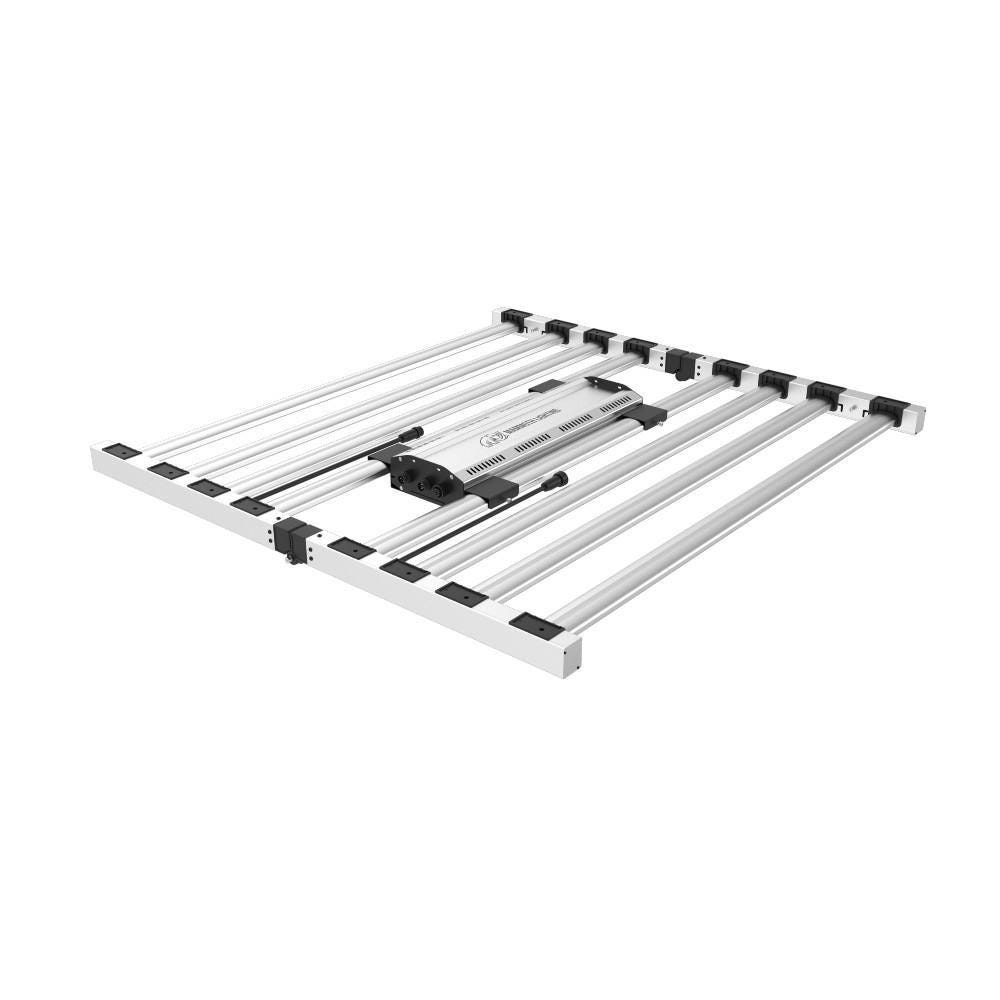
The Mammoth LED grow lights are built with high-quality Samsung diodes. The lights encompass a continuous range of wavelength from blue and green to red, creating a light blend matching the natural sunlight. 469 Samsung LM301B diodes per bar delivers the industry’s Highest PPFD and Yield. Mammoth customized their light spectrum to optimize plant growth and increase yields while consuming less energy and reducing operating costs compared with traditional horticulture technologies. With a proprietary blend of 3000k+5000k+660nm+730nm, for full cycle growth. 730nm speeds up flower (~5 days) and adds up to 5% more yield. Up to 5x5 flower coverage, 7x7 veg coverage. Strategically designed bars/spacing delivering more even lighting coverage (and growth) over a 5'x5'.
Buyer’s Guide
Intensity
The intensity of the light is measured in watts per square foot. A good rule of thumb is that you want at least 100 watts per square foot if you are growing anything other than leafy greens. If the light doesn’t say the intensity, it’s a good idea to ask for a sample before purchase so you can test it out.
While there are no doubt that grow light spectrum is important, some studies suggest that even more important than spectrum is light intensity. There are a number of ways of measuring the intensity of a grow light — some good and others bad.
Wattage
Choosing the wattage of a light is one of the most important considerations when buying a grow light. Here’s some guidelines to help you find what type of light you need.
This is the most common measure of grow light intensity and is a measure of electricity (watt = amp x volt). This measure can be misleading, though. Some manufacturers (the better ones) give the actual wattage the unit uses — the wall plug wattage. Others, typically lesser brands, will give you the max wattage rating of the LED diodes. To use a simple example, a grow light could call itself 90 watt if it has thirty 3 watt LED’s, however, it is common practice to run LED’s at half wattage to reduce heat production (and therefore heatsink cost) and increase efficiency. So, what was called a 90w grow light could really be 45w (or less!).
Bottom line, you want actual power draw, not LED wattage rating. It can be good to be suspicious of overly round numbers — you are likely getting the diode rating and not the actual power draw. Knowing the wattage of the diodes isn’t useless, though. You will get a heck of a lot more light out of a 3 watt diode run at 1 watt than a 1 watt diode run at 1 watt.
PPF
LED grow lights are the newest type of light on the market. They tend to be more efficient than other types of lights, which means you can use them for longer periods of time before they need a break. For example, if you’re using a traditional HID light that has a ppf rating of 400 (meaning it outputs 400 μmol/m2/sec), then in 10 hours you’ll use up all the energy from one bulb.
PPF (Photosynthetic Photon Flux) measures the total amount of light produced by a grow light in terms of micromoles of photons produced per second (often written as umol/s or μmol/s). This is an important number because unlike PPFD (which will be explained below) it can’t be manipulated and tells you the full amount of light coming from the LED grow light.
PPFD
The first thing you need to think about when buying a grow light is the type of grow light you need. There are two types of LED lights — those that use red and blue LEDs, and those that use white LEDs. You may want one over the other depending on what kind of plant you’re growing. A PPFD (Photosynthetic Photon Flux Density) tells you how many photons a given light produces per second in each nanometer of space.
PPFD (Photosynthetic Photon Flux Density) measures the amount of micromoles of photons striking a square meter per second (often written as umol/m2/s, μmol/m2/s, or μmolm-2s-1).
Full daylight sun at noon in the summer is around 2000 μmol/m2/s. What your plants actually need, however, is likely to be much less than that. Infact, because the Sun’s intensity is only that bright for a small portion of the day and because the angle of that intensity changes throughout the day, providing that much light for an extended period of time would very likely be damaging to your plant. A ‘light response curve’ shows how effectively a plant utilizes light at differing intensities. Depending on the plant, at levels greater than 800–1000 μmol/m2/s the efficiency that a plant uses the light starts to slow. Meaning, you can provide your plant more light than this, but you might not see a huge change in outcome.
It’s worth noting that some LED companies can increase their PPFD numbers by measuring extremely close to the grow light or using spot-light like reflectors or lenses. An LED company should always report what distance their PPFD numbers were taken at (e.g., 24 in, etc.).
PAR
What type of grow light do you need? You need a specific type of light depending on the stage in which your plants are. Some LED lights are designed for seedlings, some for flowering and others for use when plants are about 3–4 weeks old. The best way to decide is by looking at the manufacturer’s label or by speaking with an expert from a reputable garden centre.
This is not a measurement at all, but instead, a type of light that can be absorbed by plants (and coincidentally seen by humans). It ranges from 400 to 700nm.
Lumens
One of the most important things you need to decide when buying a light is what type of grow light you need. Lumens are a measure of brightness, but they don’t tell the whole story — because it’s really about PAR (Photosynthetically Active Radiation). The best way to find out how many lumens you need is to look at the spectrum that your light emits. There are two types of PAR- Full Spectrum and Broad Spectrum.
This is a measure of the total apparent brightness of a light source and not how many photons are produced. As the cliche goes, “lumens are for humans.” You can think of it as the brightness of a single candle (although the real definition is more complex). By in large, lumens are not a useful measure of light intensity for plants since they overweight colors like green and underweight reds and blues. For instance, 1W of radiant flux at 550nm (green, which the human eye is very sensitive to) is 675 lumens. One watt of radiant flux at 660nm (deep red) is only 45 lumens. The red light will be more easily absorbed by your plant in photosynthesis than the green one, but your eye will see the green light as 15 times brighter than the red light!
Lux/Footcandle
These measure how much brightness is striking a unit of area. Contrast this with lumen which is the total amount of brightness coming from the light source in all directions. Lux = one lumen per meter squared. Footcandle = one lumen per foot squared.
Spectrum
Photosynthesis — You need to choose a light that caters to the energy production of your plants. The McCree curve and absorption peaks of photopigments are worth researching to learn more about this.
Photomorphogenesis — ‘Photo’ means ‘light’, ‘morpho’ means ‘shape,’ ‘genesis’ can be translated as ‘creation of.’ So, it’s using light to create a certain plant shape. Light can do a lot more than just change the growth pattern of a plant, though. It can trigger or delay flowering and fruiting, change chemical composition, among other diverse reactions.
Conclusion
So you want to start your journey as a houseplant lover. But the question is what are the right, necessary steps to make sure your new green friend has enough lighting in your apartment or house to sustain healthy growth.
Don’t worry — we’ve provided some advice above to help you start creating the perfect healthy environment by choosing the best grow lights for your houseplants!
ECO Farm ECO D700 700W Samsung LM281B Chip LED Grow Light VS Maxibright Daylight 660W LED
Whether you’re looking to start a hydroponic mini-farm, seed your garden, or keep your perennials happily alive through winter, grow lights increase the amount of light your plants receive indoors. This translates into happier, healthier, more productive plants. LED lights are a cost-effective option for indoor gardens because they use less wattage. Here’s everything you need to know when choosing LEDs for your indoor garden.
Are LED lights useful for growing plants?
LED grow lights are gaining popularity among indoor gardeners and horticulturists looking to provide plants with the light spectrum they need to grow and develop. LED technology is seen as a more energy-efficient alternative to traditional incandescent bulbs.
When purchasing an LED lighting system, it is important to consider factors such as light output (measured in lumens). Different luminaire manufacturers offer different types of LED lighting solutions for different plant requirements, so reading customer reviews online may help you decide which one best meets your needs.
ECO Farm ECO D700 700W Samsung LM281B Chip LED Grow Light
Features:
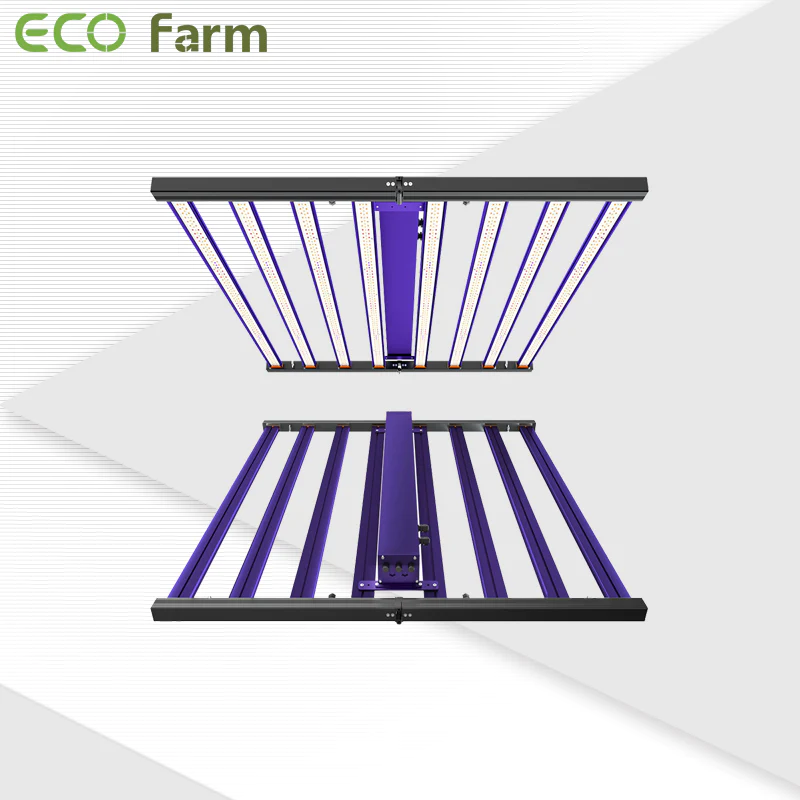
This ECO Farm LED grow light features the highest output white chips and Osram chips, with a high energy efficiency of 2.6 umol/J, PPF 1820 µmol/s, LED grow lights provide plants with powerful and high-quality light to maximize yield . The vegetable footprint is 5 x 5 feet and the flowering footprint is 4 x 4 feet. This grow light has an excellent full spectrum (3000K, 5000K, 660nm, 730nm IR, 395nm UV) and is ideal for all growth stages (germination, cloning or cuttings, mothering, vegetative and flowering applications) for higher yields . The dimming knob can adjust the light intensity at will. Designed with daisy chain function, up to 100 lights can be connected. Multi-light connections with uniform dimming are especially beneficial for large-scale indoor and commercial cultivation.
Features:
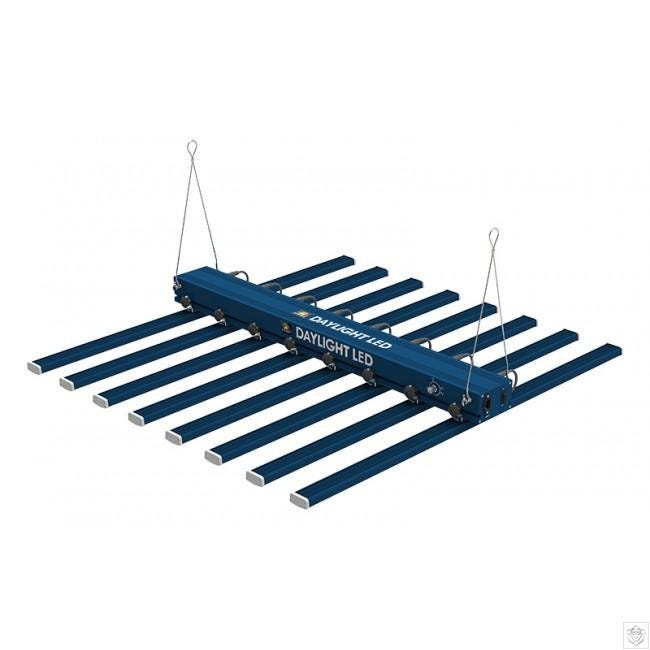
Using high-quality OSRAM and Lumileds LEDs, full-spectrum output LED lamps, with far red and ultraviolet light components, this Maxibright LED grow light can achieve uniform light distribution to help you achieve maximum quality and quantity, which is better than traditional growth systems. The advanced design effectively expands the light area. The light distribution is optimized for the 1.2mx 1.2m area, and the illumination is more uniform. The light bar can be tilted 30° to optimize light transmission, and the power can be adjusted from 30% to 100%. Excellent heat dissipation design-no needs to worry about heat dissipation even with high power. A passive heat dissipation design (without an internal cooling fan) achieves an excellent heat dissipation effect.
Factors to Consider When Buying a Plant LED Grow Light
When choosing a grow light, there are some factors to consider when deciding which is best for you.
Power
The amount of power consumed by your grow lights is one consideration to factor. Grow lights have different wattages, which equate to the amount of electricity you consume. And while LED grow lights are still energy efficient, this should still be a consideration. You would want to consume less while growing in a small footprint.
Footprint
Another thing to look for is a footprint or the area that a grow light can cover. Measure how big your grow area is to get an idea of which grow light works best for you. Take note that some grow lights cover a rectangular footprint, another consideration. You want to maximize the light, so you should look for something that matches your existing space.
Spectrum
There are grow lights that work for a particular stage of plant growth. You’ll see grow lights classified for vegetation and flowering. If you’re growing herbs or any other leafy plant, you won’t need a grow light with a spectrum meant for flowering.
Now, if you’re growing crops, that’s where you’ll need the flowering spectrum. That would mean having vegetation and flowering grow lights in your grow space. The good news is that many grow lights offer a full spectrum to handle both stages of plant development.
PPF and PPFD
When checking the product specifications of grow lights, you will encounter the terms PPF and PPFD.
PPF, or Photosynthetic Photon Flux, refers to how much light comes from a source per second, measured in umol/S. To be clear, PPF doesn’t automatically mean a plant receives X amount of light per second. It just means the grow light produces that amount of light every second. Getting the right amount of light per second need not be done with a single light. You can combine grow lights to get the right amount needed by your plants.
PPFD, or Photosynthetic Photon Flux Density, refers to the amount of light your plant receives. Technically, the values listed are the amounts it receives when the grow light is set at the ideal height. Putting it higher will, of course, lessen the PPFD. Commercial-sized operations will benefit significantly with a PPFD range of 1,500–2,000 umol/S for every square foot. CO2 enrichment systems then supplement these. For smaller spaces, you won’t need as much.
Conclusion
When choosing the ideal light, many factors related to indoor plants and their lighting must be considered. It should be suitable for extended areas, have proper cooling technology, have a longer lifespan, and provide good performance. Quality will suffer, rendering the product useless.
Gavita Pro RS 2400e 800W LED Grow Light VS Luxx 860w LED Pro XR LED Grow Light
Whether you’re designing for nature or improving the air quality in your lakeside home, grow lights can ensure your indoor gardening success. They also offer convenience, since you don’t have to keep all your plants by the window. So, if you’re ready to improve your gardening skills, check out these top LED grow lights for indoor gardening!
How many LED grow lights do I need?
Getting the right amount of LED lights is something you want to do right the first time, or you could end up wasting money and time.
There is one way to determine how many LED grow lights you need — there are two steps. You need to determine the lighting needs of your factory and the dimensions of your factory area. Plant needs are measured in watts per square foot.
Instead of measuring the plant area (your grow tent or elsewhere where you grow plants), measure the footprint or the canopy of the plant.
Example: A 5' by 5' space with a 4' by 4' plant canopy only needs LED lighting for a 4' by 4' area.
To calculate your plant’s wattage needs, you’ll need to do some research on your plant. More isn’t always better. In fact, too many LED lights can burn plants and even bleach them.
It sounds complicated, but once you’ve done it a few times, you’ll get the hang of it. Alternatively, you can search the Internet for specific information about your plant.
Gavita Pro RS 2400e 800W LED Grow Light
Features:
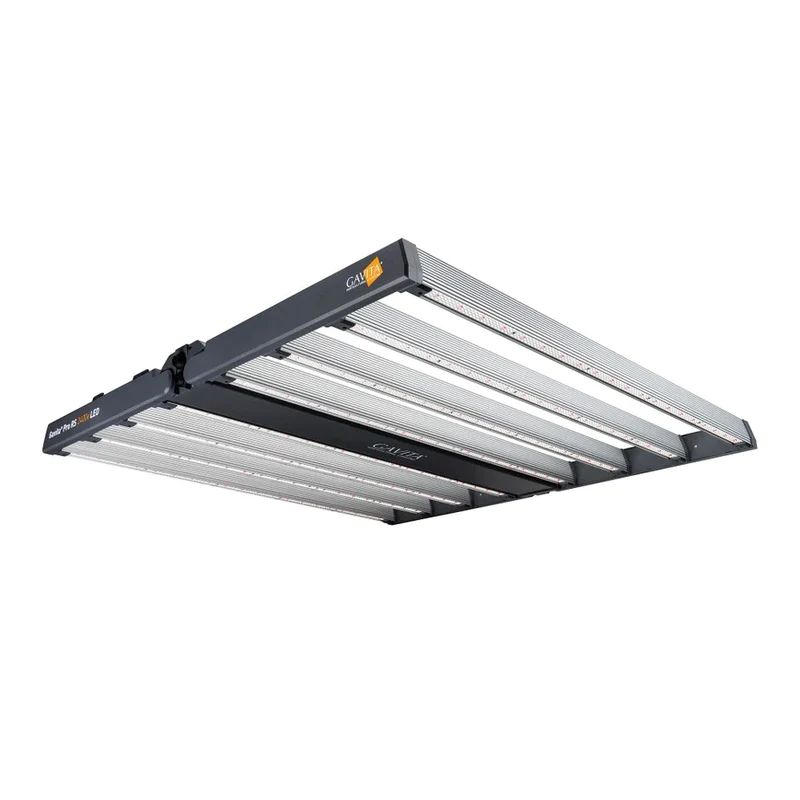
Gavita LED grow lights produce 2400 μmol/s at an impressive 3.0 μmol/J efficiency and provide a broad spectrum of white light and enhanced blue light to help enhance flavor and aroma. This powerful full-spectrum light source is designed for all aspects of plant growth — from the vegetative stage to the end of flowering and when higher light levels are required. Using the Gavita Master EL3 controller, the luminaire can be dimmed by up to 10% without any loss of efficiency. The RS 2400e is built with high quality components including Gavita drivers and custom Gavita branded diodes to deliver the performance and longevity you’ve come to expect from a trusted brand.
Luxx 860w LED Pro XR LED Grow Light

Features:
The Luxx LED grow light is built on the industry-leading Luxx 645 Pro product platform. It features two additional 100W LED strips to increase total light output and maintain PPFD uniformity over a larger area, ensuring consistent growth across tray widths of 5–6 feet. The 860w LED PRO XR allows the fixture to be placed close to the canopy, maximizing PPFD, while the strip array provides light from multiple locations from different angles to penetrate the canopy. These LEDs are designed to be low and wide. Drop them 12" — 18" from the canopy and hang them on the wall while using the onboard dimming to deliver the right amount of PPFD evenly across the canopy. This maximizes light absorption by plant leaves, increasing light efficiency and reducing wasted photons.
Things to Consider Before Buying LED Grow Lights
While nearly every plant loves light, they don’t all taste the same. Here are some things to consider when buying LED grow lights.
Energy Consumption
Although LEDs are much more efficient than their older counterparts, they still require a constant flow of energy to operate. Leaving them on all the time — especially if you’re running a lot — can really start to add to the ecological impact and your electricity bill.
Older light bulbs used to measure power in watts, but that’s not how LEDs work. The input wattage to an LED indicates how much power it will use, but not necessarily how bright it will be. High-efficiency LEDs can emit a lot of light with a few lights, while other arrays use a greater number of small lights.
Your needs will vary from plant to plant, but don’t buy an LED light array just because of its high power rating. Look for equivalent wattage or other measurements.
Spectrum Coverage
Full-spectrum lights can mean different things, depending on the model. True full-spectrum lights include infrared modules that emit waves that are technically invisible. Different wavelengths of light often serve different parts of the growing process, so you need to match spectral performance to the plants you’re growing. If your plants aren’t picky, most “full spectrum” lights should work just fine. However, it’s worth doing some research on your particular plants to make sure the lights you buy will meet their needs.
Dimmability
Not all grow lights are dimmable. Some only have an on or off setting and nothing else. Other LED grow lights can provide ten or more different levels of light, so you don’t always have to blast them at full power.
Self-timer
Plants don’t need light 24 hours a day, so you’ll need to turn the lights on and off as needed. Some lights have built-in timers that allow you to program them on a custom schedule. This saves you from having to remember to hit a switch, which can have a profound effect on your plants, especially if you’re trying to grow outdoor plants indoors.
Conclusion
Indoor gardening can be a rewarding and fun hobby. It’s easy to be successful when you have the right tools at hand. LED lights designed for houseplants make the process a joy. There are many systems to choose from at different prices, so there’s something for you.
ECO Farm G3 MARS 800W Samsung LM301B LED Grow Light VS Gavita Pro RS 2400e 800W LED Grow Light
No matter what you want to grow in your indoor garden, you need the right equipment. And LED lights are the most important component.
Today, we’re going to take a look at our list of the best LED grow lights and see what makes them so great. Plus, you’ll learn how to find the best options for you and your plants. let’s start!
Benefits of Using LED Grow Lights
It can be difficult for plants to get enough sunlight indoors. But LED strip grow lights offer a unique option for giving your plants the natural light they need for healthy growth. These grow lights are relatively easy to install and adjust, providing flexibility for the different types of plants you may have. They also last longer than traditional fluorescent or incandescent bulbs, saving you money in the long run. Plus, LED grow lights don’t generate a lot of heat, making them safer to use around the house. Finally, LED lights are more efficient and consume less energy and electricity than other types of lighting.
The LED strips are also very versatile, you can customize the lighting for different plants. You can adjust the brightness and color of the lights according to the needs of your plants, and you can even use them to create interesting lighting effects. Plus, LED strips are very affordable, making them a great option for anyone looking to save money on an indoor gardening setup.
ECO Farm G3 MARS 800W Samsung LM301B LED Grow Light
Features:
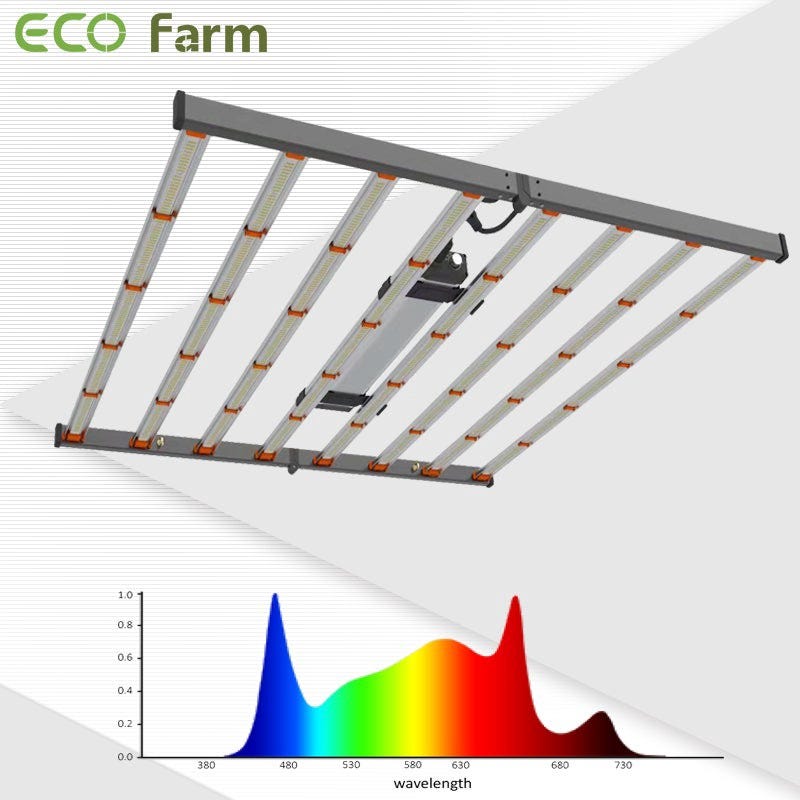
The ECO Farm Full Spectrum LED Grow Light 800W is one of the most Advanced Multi-Bar Led Grow Light with 1–10V Dimmnig. This grow light has full spectrum (Samsung LM281B/ LM301B(3000k+6500k) with OSRAM red 660nm and OSRAM 730nm)with Light Intensity measuring up to 2240 µmol/s, matching the natural sunlight, using Samsung LED package. It just consumes about 800w power. High Efficiency PPF LEDs make you cost less but get more. High-end & high performance self-heating dissipation construction for long lifespan. Re-defined & Wide coverage light design, benefit your plants everywhere. Real full spectrum(sunlight) for plant from veg growth to bloom, no need to change your light source. No Fan design and make grow room so quiet.
Gavita Pro RS 2400e 800W LED Grow Light
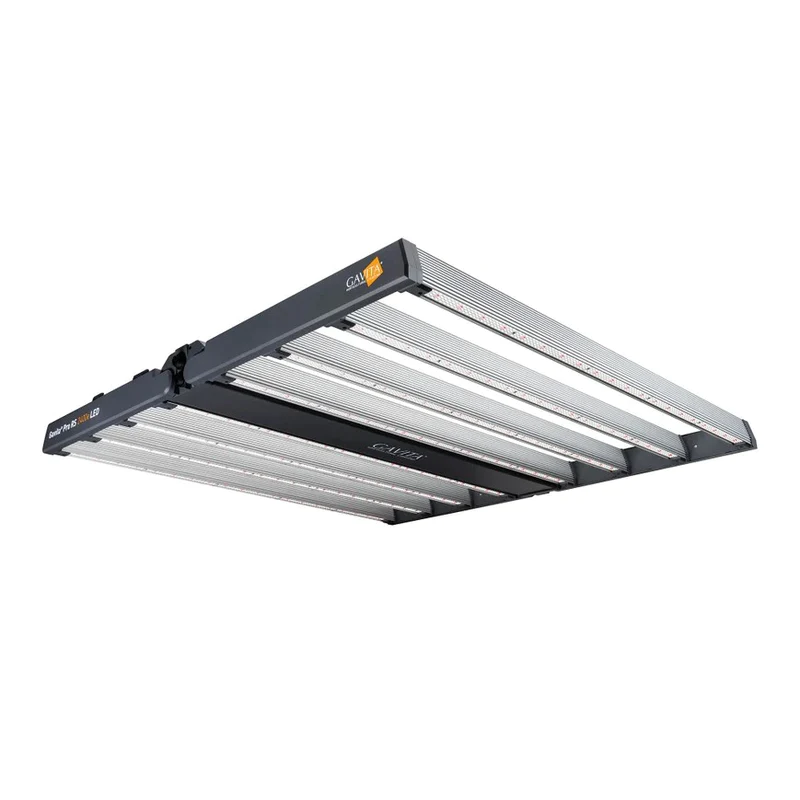
Features:
Gavita LED grow lights produce 2400 μmol/s at an impressive 3.0 μmol/J efficiency and provide a broad spectrum of white light and enhanced blue light to help enhance flavor and aroma. This powerful full-spectrum light source is designed for all aspects of plant growth — from the vegetative stage to the end of flowering and when higher light levels are required. Using the Gavita Master EL3 controller, the luminaire can be dimmed by up to 10% without any loss of efficiency. The RS 2400e is built with high quality components including Gavita drivers and custom Gavita branded diodes to deliver the performance and longevity you’ve come to expect from a trusted brand.
Buyers Guide
Several aspects should be considered before purchasing any grow light. This buyer’s guide will aid you in selecting the finest product for your needs. Please tell us about some important aspects of lighting.
Lights
Lamp intensity is an important consideration when choosing a light. The intensity must be appropriate for the plant’s development period and the size of your room. The intensity is determined by the number of photons required by plants for growth and other botanical functions. When selecting a light, both PPF and PAR charts should be consulted.
Spectrum waves
The proper spectrum is essential for the plant’s growth and development phases. There are two kinds of the spectrum: focused and wide. White-light broad-spectrum illumination is typically favored due to its efficiency and beneficial effect on plants. The appropriate spectrum for your light should be determined by the stage of plant growth.
Energy Consumption
Power, or watts, is critical in determining the light’s ability to support plant development. People want to maximize light while consuming the least amount of power. If energy consumption is required, the lower power light should be preferred. If you want the greatest light and can afford it, though, emphasize other variables more.
Area to light
Because growing space and size vary, area measurements are critical. A light that illuminates the whole growth area is typically chosen. Furthermore, the dispersion of light is critical for covering a certain region. Some configurations utilize lenses to keep energy focused over a location, while others do not, resulting in more dispersed light.
Warranty
These lights are normally trouble-free, although occasionally, a diode or the fan in the system will fail. Coverage for such concerns by a manufacturer is critical for consumer trust. High-quality lights have warranties ranging from one to seven years. Three and five-year warranties are the most popular. Typically, they will provide a replacement or address the issue without incurring a cost.
Price of the light
Before making a purchase, it is critical to examine the cost. It ranges from under $100 to over $2000. The cost is often determined by the size, light intensity, quality, and brand. Reviews, recommendations, or an external source can help you choose a good quality light from a reputable brand or manufacturer. Obtaining a nice light does not have to be expensive. Prior to everything else, performance is the most important goal. Choose the finest performing and most inexpensive light.
Conclusion
Finding the right LED grow lights can seem like a challenging task.
But once you figure out which factors really deserve your attention, you’ll easily narrow down the options and pick the ones that work for you. Just make sure you get the right wattage and light intensity for your plants and tent size. Also, don’t forget to always check the warranty and what it covers.
